

Official websites use .gov
A .gov website belongs to an official government organization in the United States.

Secure .gov websites use HTTPS
A lock (
) or https:// means you’ve safely connected to the .gov website. Share sensitive information only on official, secure websites.


Key Programs
The Material Measurement Laboratory (MML) actively supports NIST’s investment priorities in energy, environment, healthcare, manufacturing, and physical infrastructure.
Learn about our highlighted priorities and initiatives below:

Additive Manufacturing
NIST works to improve additive manufacturing by fabricating parts layer-by-layer rather than cutting or molding material. This technology helps produce complex designs using less material and generating less waste then current manufacturing.
Contact: Callie Higgins & Shawn Moylan

Advanced Carbon Standards and Technologies
NIST is advancing measurements, standards, and data to help enable credible assessments of carbon across the value chain. This allows NIST to acquire the necessary technical knowledge to advance U.S. competitiveness in carbon markets.
Contact: Pamela Chu

Biomanufacturing Initiative
The NIST biomanufacturing program supports the U.S. biopharmaceutical industry's delivery of high quality and low cost protein drugs around the world.
Contact: Michael Tarlov
Circular Economy
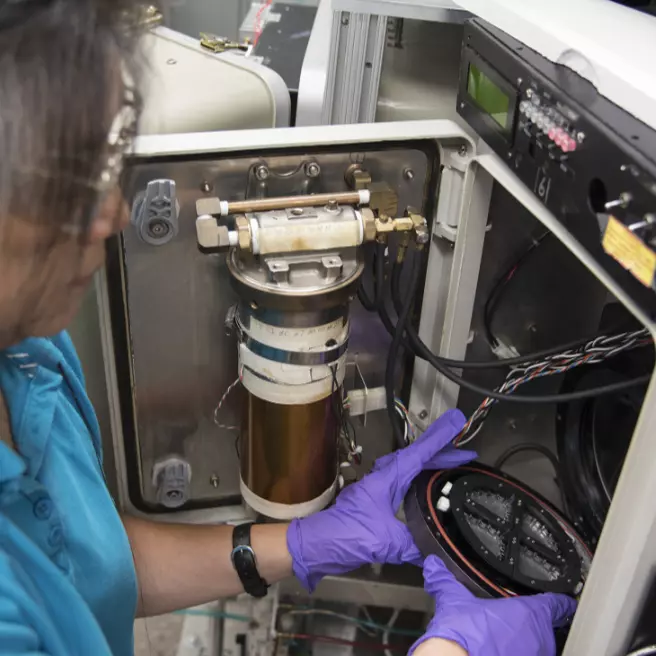
NIST supports the nation's transition to an economy based on materials that repeatedly cycle within the economy and retain their value, reducing or eliminating waste and pollution.
Contact: Kelsea Schumacher & Michelle Seitz

Data & Informatics
NIST's Material Data Division is a premier, pioneering resource for researchers and institutions in the biological, chemical, and materials sciences who need to leverage both large and information-rich data sets now common in many disciplines.
Contact: Vincent Shen

Engineering Biology
NIST is focused on the development of measurements and other tools that will enable improved predictability and scalability in the engineering of biological systems.
Contact: Sheng Lin-Gibson

Materials Genome Initiative
NIST is building the materials innovation infrastructure for the federal Materials Genome Initiative to accelerate materials discovery, cutting development costs and time-to-market by 50%.
Contact: Jim Warren

NIST Center for Automotive Lightweighting
NIST works to develop sustainable measurement methodology, standards, and analysis necessary for the U.S. auto industry and base metal suppliers to transition to advanced lightweight materials for auto body components.
Contact: Mark Iadicola
nMat
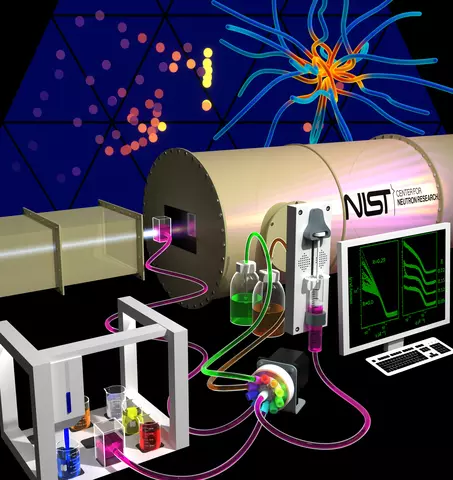
The Neutron-Based Materials Characterization (nMat) Consortium is an industry collaboration led by NIST to advance materials characterization and measurement science that strengthen U.S. manufacturing competitiveness.
Contact: nmat [at] nist.gov (nmat[at]nist[dot]gov)
Physical Infrastructure Metrology
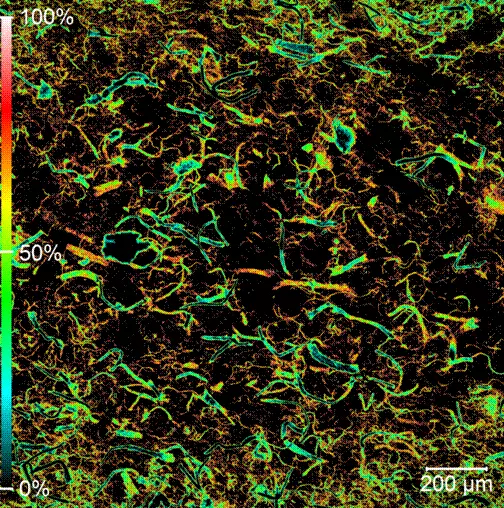
NIST makes measurements that prioritize the nation's urgent infrastructure projects, and enable adoption of more durable, lower cost materials for infrastructure renewal.
Contact: Nick Barbosa

Precision Medicine
NIST is playing a pivotal role in helping to define the measurements and standards needed to ensure the promise of precision medicine—an emerging approach for disease prevention and treatment.
Contact: Justin Zook & Samantha Maragh
Safety, Security, & Forensics
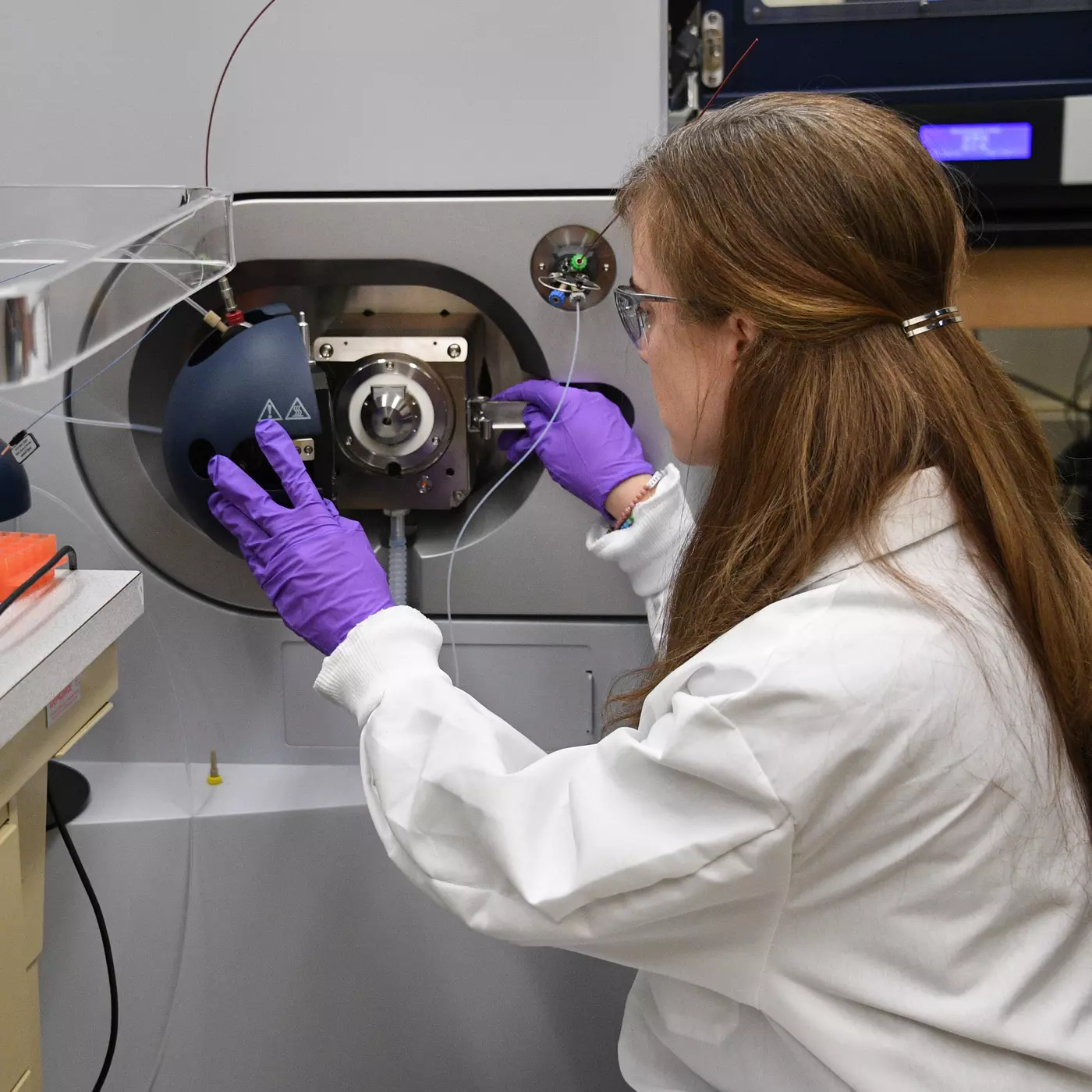
NIST conducts research and measurement services to support body armor performance, DNA-based human identification, and gunshot and explosive residue detection.
Contact: Erica Romsos (Forensic Quality Assurance Program) & Ed Sisco (Rapid Drug Analysis and Research) & Peter Vallone (Genetics)
