

Official websites use .gov
A .gov website belongs to an official government organization in the United States.

Secure .gov websites use HTTPS
A lock (
) or https:// means you’ve safely connected to the .gov website. Share sensitive information only on official, secure websites.


About the Material Measurement Laboratory
The Material Measurement Laboratory (MML) is one of two metrology laboratories within the National Institute of Standards and Technology (NIST). The laboratory supports the NIST mission by serving as the national reference laboratory for measurements in the chemical, biological, and material sciences.
MML activities range from fundamental and applied research on the composition, structure, and properties of industrial, biological, and environmental materials and processes, to the development and dissemination of tools including reference measurement procedures, certified reference materials, critically evaluated data, and best practice guides that help assure measurement quality.
Jump to: Divisions | Impact | Facilities
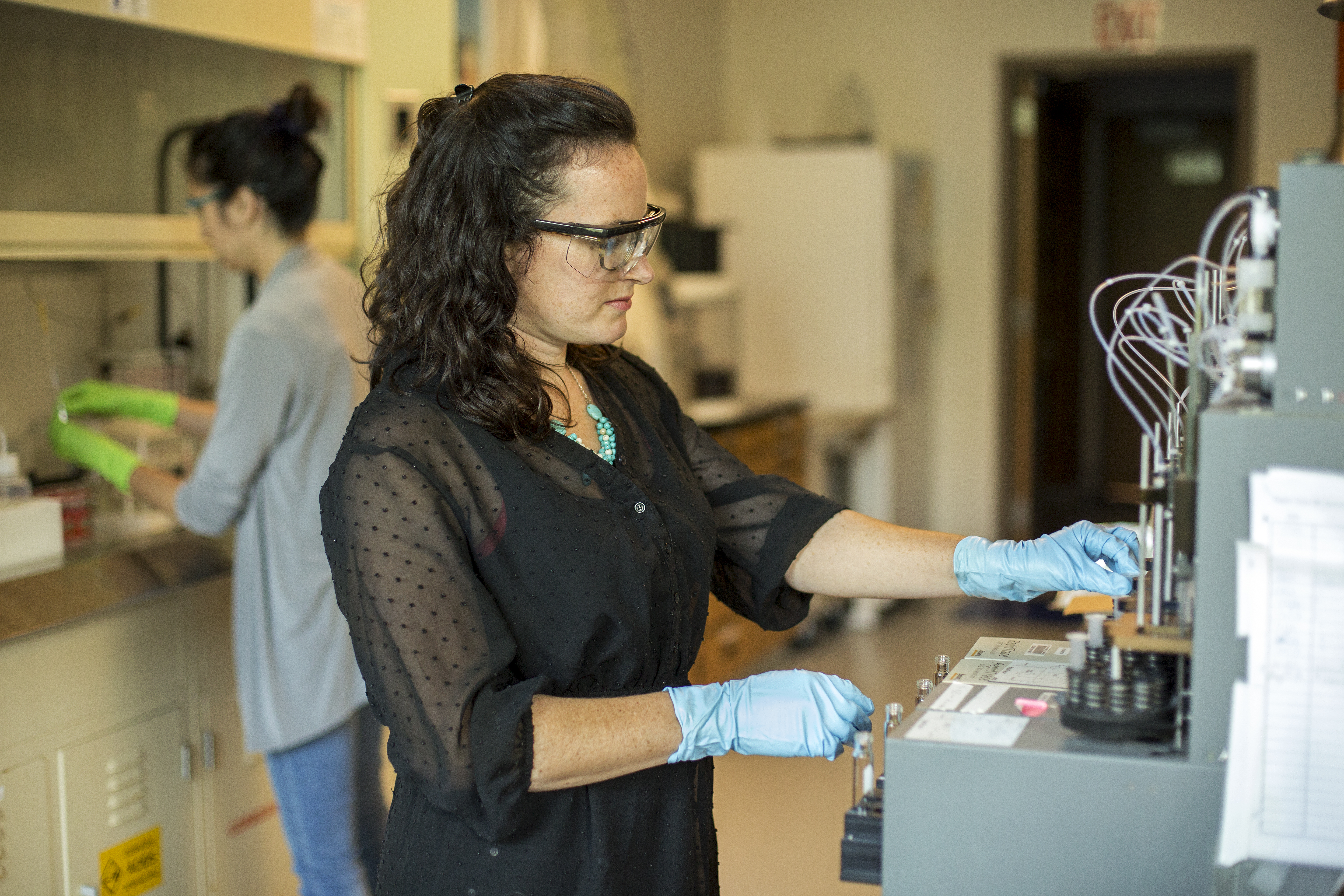
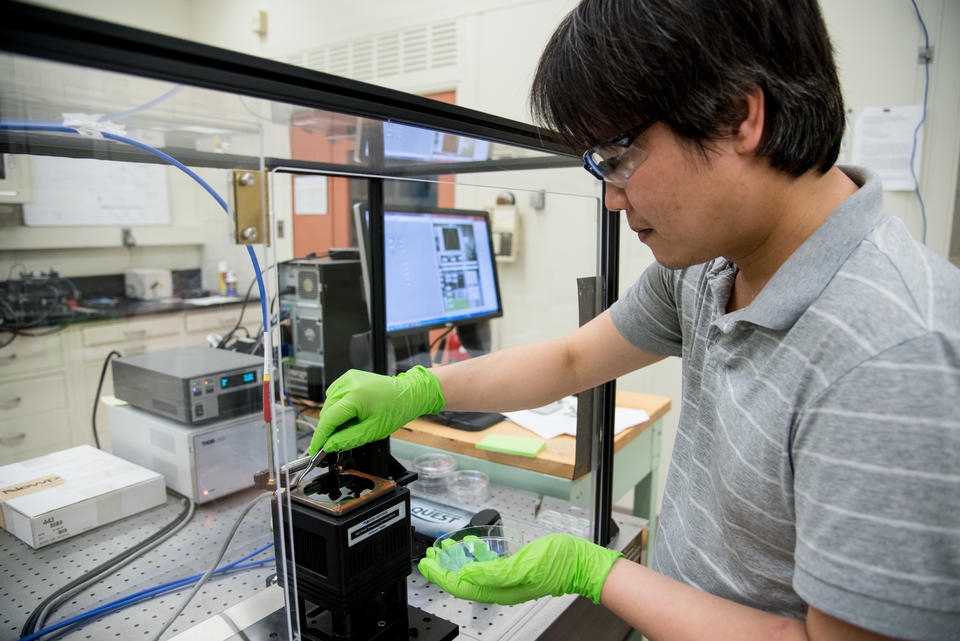
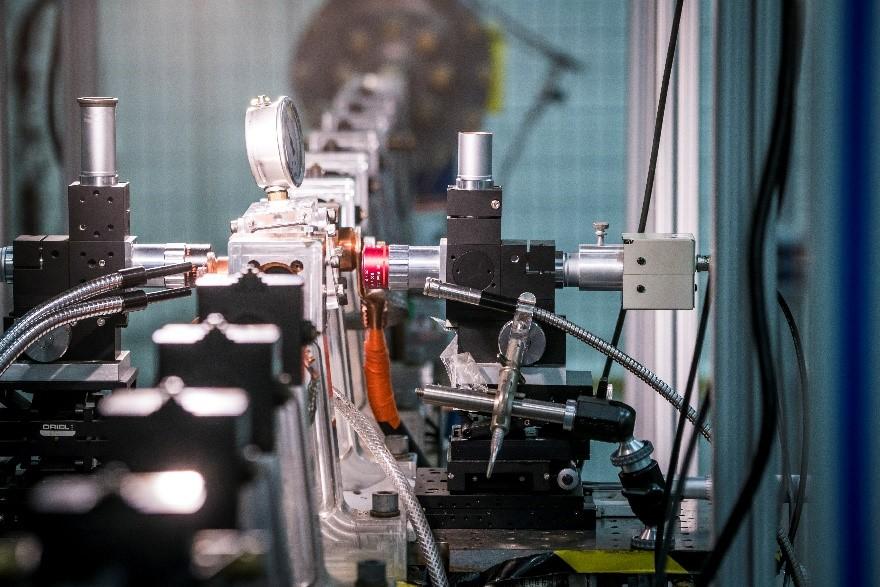
Our research and measurement services support areas of national importance, such as:
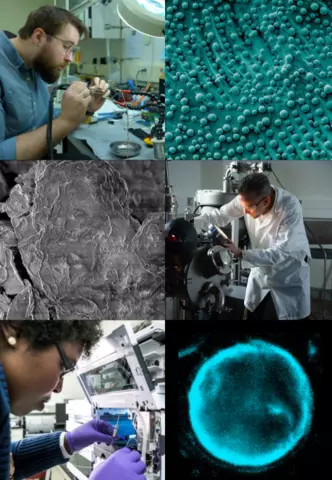
Credit:
NIST
Advanced materials, from nanomaterials to structural steels and complex fluids
Energy, from the characterization and performance of fossil and alternative fuels to next-generation renewable sources of energy
The environment, from the measurement of automotive exhaust emissions and other pollutants to the assessment of climate change and the health and safety aspects of man-made nanomaterials
Health care, from clinical diagnostics to tissue engineering and more efficient manufacturing of biologic drugs
Infrastructure, from assessing the country's aging bridges and pipelines to the quality of our drinking water
Manufacturing, from lightweight alloys for fuel-efficient automobiles to biomanufacturing, advanced electronics, and data for chemical manufacturing
Safety, security, and forensics, from gunshot and explosive residue detection, to ensuring the performance of body armor materials, to DNA-based human identity testing.
We shape our programs based on national needs with input from industry and government.
Our success depends upon the timely dissemination of our:
- Critically evaluated measurement methods
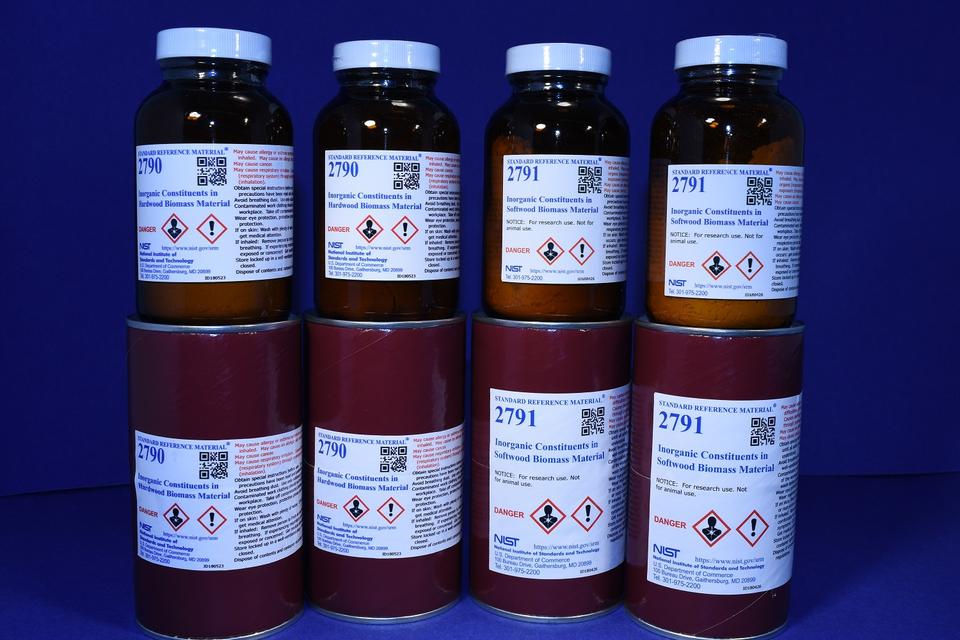
- Standard Reference Materials®
- Standard Reference Data
- Publications describing our measurement science and technologies
- Training, education, and best practices
Divisions
The Material Measurement Laboratory is comprised of seven scientific divisions and two offices:


Impact
The work of the Material Measurement Laboratory helps:
- Policy makers and regulatory bodies make science-based decisions about environmental quality and potential threats to the environment
- Physicians make more accurate diagnoses and better monitor the effectiveness of therapeutic regimens
- Forensic investigators make decisions based on scientifically sound evidence
- Trading partners confidently and fairly exchange commodities such as food, fuel, structural steel, and other materials
- Manufacturers reliably develop and use advanced materials and processes
Industry connect the performance of materials with their structure and processing.
Facilities
The Material Measurement Laboratory is home to approximately 1,000 staff members and visiting scientists at five locations:
NIST Gaithersburg Campus

Credit:
NIST
NIST's main campus is in Gaithersburg, MD, where staff and affiliated researchers conduct fundamental and applied research to support industry through the development of standards in chemical, biological, and material sciences.
NIST Boulder Campus
Credit:
R. Jacobson/NIST
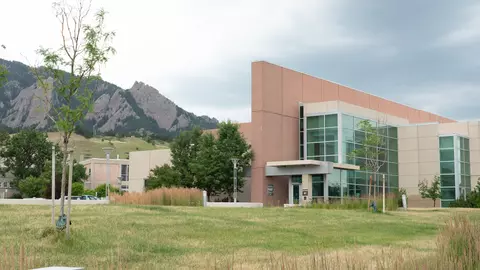
NIST's Boulder campus is in Boulder, CO, where the Applied Chemicals and Materials Division (ACMD) and Material Data Design (MDD) perform research in measurement science to improve chemical characterization, materials analysis, the accuracy of measurement methods, and the development of standards supporting industrial and scientific applications.
Hollings Marine Laboratory
Credit:
NIST
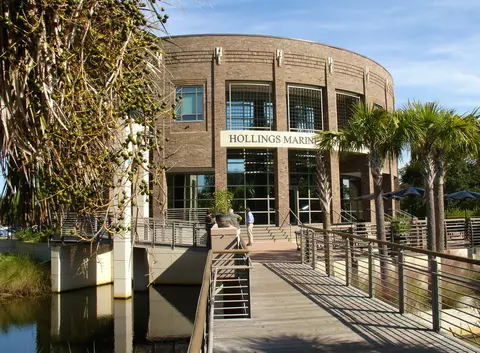
The Hollings Marine Laboratory is in Charleston, SC, where NIST staff work side-by-side with scientists from NOAA, the South Carolina Department of Natural Resources, the College of Charleston, and the Medical University of South Carolina to provide the science, biotechnology, and standards needed to understand links between environmental conditions and the health of marine organisms and humans.
Institute for Bioscience and Biotechnology Research
Credit:
Institute for Bioscience and Biotechnology Research
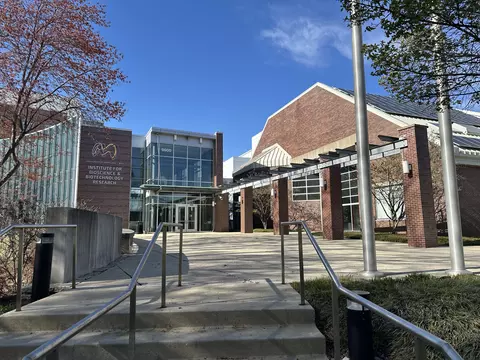
The Institute for Bioscience and Biotechnology Research is in Rockville, MD, where scientists from NIST, the University of Maryland College Park, and the University of Maryland School of Medicine conduct research on measurement science and standards issues associated with advanced therapeutics.
Brookhaven National Laboratory

Credit:
Brookhaven National Laboratory
Brookhaven National Laboratory in Upton, NY is a partnership with the Department of Energy and home to a user facility that enables researchers from industry, academia, and other government agencies to apply synchrotron-based x-ray spectroscopy techniques to the development of products like oil additives and next-generation electronics.
Created June 29, 2026, Updated August 7, 2026