

Official websites use .gov
A .gov website belongs to an official government organization in the United States.

Secure .gov websites use HTTPS
A lock (
) or https:// means you’ve safely connected to the .gov website. Share sensitive information only on official, secure websites.


What is DNA evidence? And how is DNA used to solve crimes?
DNA is a complex molecule that contains the instructions for building and maintaining the bodies of humans and other organisms. With the exception of red blood cells, every cell in your body has DNA. And with the exception of identical twins, everyone’s DNA is different. If someone leaves blood, semen or other biological material at a crime scene, scientists can use it as DNA evidence and create a DNA profile, or genetic fingerprint of that person. That profile can be used to search a DNA database for a possible suspect, to associate a suspect with evidence left at a crime scene, or to link two crimes that may have been committed by the same person. DNA profiles, and some of the complications in using them, are described in this article about enhanced DNA fingerprints.
What we do
NIST has played a key role in the historical development of forensic DNA analysis. Today, our forensic DNA program has three major components.
- We conduct research to advance forensic DNA methods, including laying the groundwork for using next generation DNA sequencing for human identification.
- We conduct scientific foundation reviews in the forensic sciences, including for DNA mixture interpretation.
- We develop and manufacture physical reference standards that DNA labs across the country and the world use to help ensure reliable results.
News and Updates
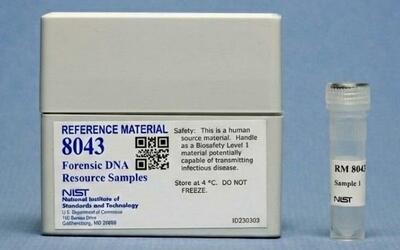
Release of RM 8043 - Forensic DNA Resource Samples
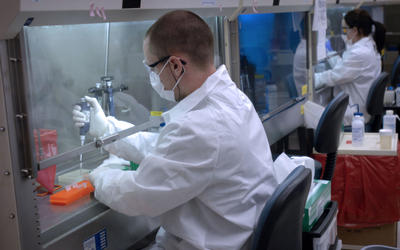
NIST Releases New Forensic Genetic Reference Material to Help Crime Laboratories Analyze Challenging Cases

STRBase Web Resource Update
Blog Posts
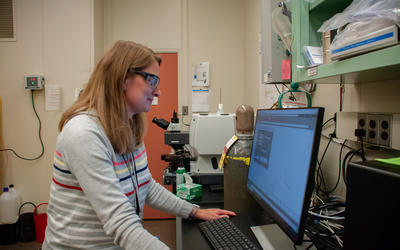
When Scientists Become Accidental Detectives
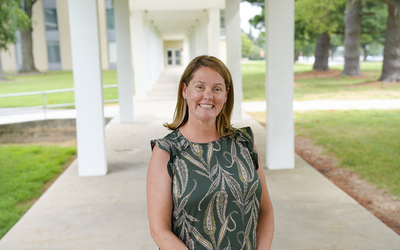
How the O.J. Simpson Trial Inspired My Career in Forensic Science

A Summer of Science: How Our Interns Spent Their Summers in the Lab
Explainers
