Official websites use .gov
A .gov website belongs to an official government organization in the United States.

Secure .gov websites use HTTPS
A lock (
) or https:// means you’ve safely connected to the .gov website. Share sensitive information only on official, secure websites.


Fire
Overview
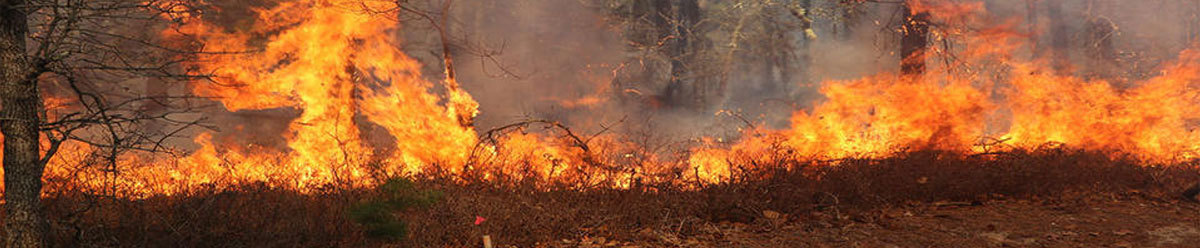
Fire testing may have started some 2.5 million years ago when one of our ancestors stuck his hand into the first flame and “scientifically” determined that the temperature was too hot to bear. Since that primitive beginning, humans have been on an unending quest to understand, measure and exploit the behavior of fire—and most importantly, to improve our ability to protect life and property from its ravages. Fire testing at NIST, a staple of the agency’s research since the early 1900s, has helped provide much of the data, insights and knowledge demanded by that pursuit. Research has run covered everything from fire safety engineering and fire fighting to fire investigation and fire testing to fire data management and intentional burning.
Fire Topics
Key Accomplishments
- Fire reconstructions: NIST thoroughly investigates some of the country’s most unique and devastating wildland-urban interface (WUI) and building fires, such as the Charleston Sofa Super Store fire. By studying and reconstructing the behavior and timeline of these fires in detail, NIST makes recommendations, some of which have led to improved codes and standards related to fuel load, sprinklers, egress and other fire safety considerations.
- Materials flammability: From building materials on the WUI to furniture in the common home, NIST devises test methods and mitigation strategies for reducing the flammability of numerous materials. NIST’s research in this area has bolstered state and federal standards and, in the case of mattress flammability, had a measurable lifesaving impact.
- Fire modeling: NIST developed and continues to update advanced fire modeling software capable of digitally recreating complex fire and smoke behaviors. These free tools have played key roles in cracking forensic cases of residential and industrial fires and supporting studies on and the design of fire protection systems.
- Smoke detection: For decades, NIST has rigorously tested smoke alarms and detectors, like those used in many homes (and in space), to raise the bar for their performance. NIST’s work in this area laid the groundwork for several standards for the sensitivity and installation of these vital technologies.
The Research
Additional Resources Links
In the Eye of the Fire
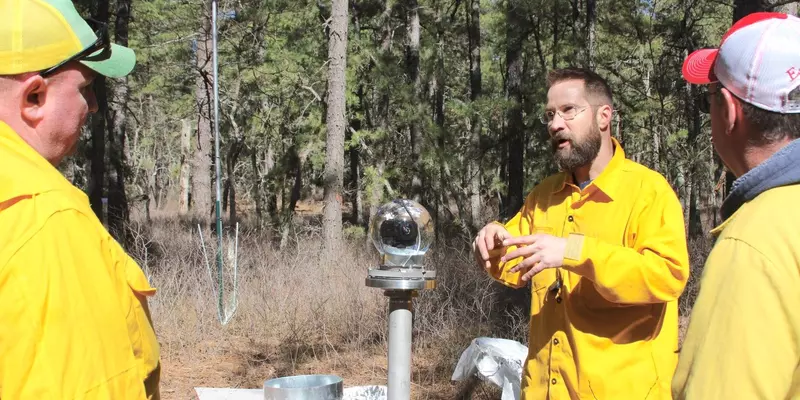
“In experimental fire research, some of the most compelling data you can get is the visual data from video and photography,” says Matt Hoehler, a research structural engineer at the National Institute of Standards and Technology (NIST) in Gaithersburg, Maryland. “So we’re always trying to get closer to the fire.”
With a prototype camera system developed by Hoehler and his colleagues at NIST’s National Fire Research Laboratory (NFRL), he has succeeded not just in getting close to a fire, but inside it. So far, the system has captured mesmerizing 360-degree video from a burning room, a mock-up of a museum collection storage room, a kitchen fire and, most recently, a forest fire. The footage allows a viewer to immerse themselves in the scene and shift their gaze in any direction to look at different aspects of the fire.
News
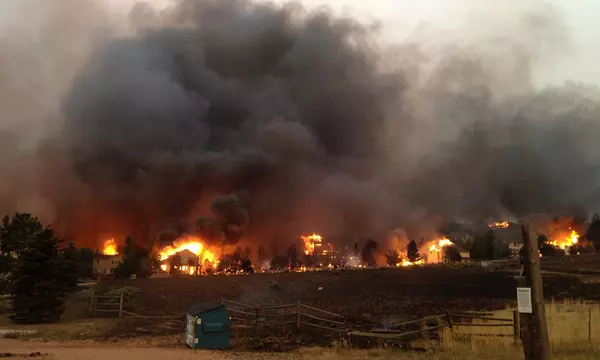
Knocking Down Fences for Fire Research

John W. Lyons, Who Led NIST in Times of Great Change, Dies at 93

Staff Spotlight - Dr. Ankit Sharma
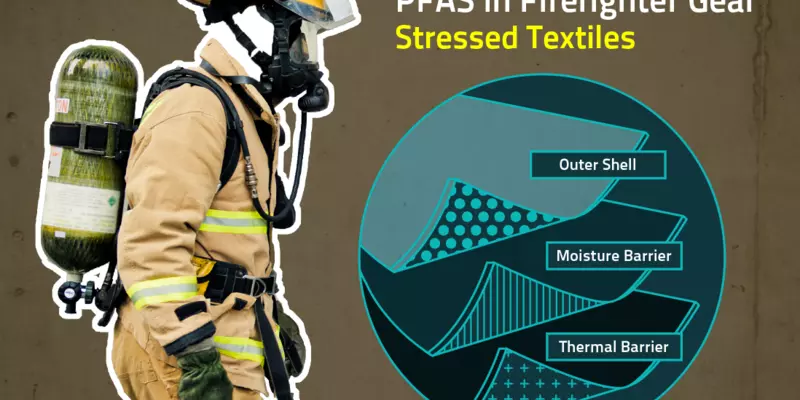
Wear and Tear May Cause Firefighter Gear to Release More ‘Forever Chemicals’
Stay in Touch
Sign up for our newsletter to stay up to date with the latest research, trends, and news for Fire.