

Official websites use .gov
A .gov website belongs to an official government organization in the United States.

Secure .gov websites use HTTPS
A lock (
) or https:// means you’ve safely connected to the .gov website. Share sensitive information only on official, secure websites.


Supply Chain Management
Effective supply chain management has always been critical in manufacturing. On average, more than half of a manufacturer’s total spending occurs in the supply chain, making it an ideal target for reducing costs and mitigating risk. However, the bottlenecks that have emerged from the pandemic have dramatically increased the importance of supply chain development. Delayed materials can wreak havoc downstream by disrupting schedules, creating work stoppages and ultimately causing missed shipments to customers. Pandemics and other threats can reduce critical manufacturing capacity and the availability and integrity of critical goods, products, and services. Increasing the resilience of American supply chains in response to these challenges will revitalize domestic manufacturing capacity and create well-paying jobs.
The MEP National Network’s supply chain development and management services can help you improve the performance of your supply chain and manage the impact of disruptions. While each MEP Center customizes its services to the needs of local companies, here are some examples of support available:
- Supply chain mapping and risk assessment
- Supplier Scouting
- Process improvement and supplier development
- Procurement and supply chain management strategy
Supply Chain Mapping and Risk Assessment
MEP Center experts can help you map and assess your supply chain to identify sources of risk and develop risk management plans, such as identifying secondary or alternative suppliers as well as increasing safety stock. Our supply chain guide, written by Network experts, gives you a more strategic approach to supply chain development and managing supply chain risk.
Supplier Scouting
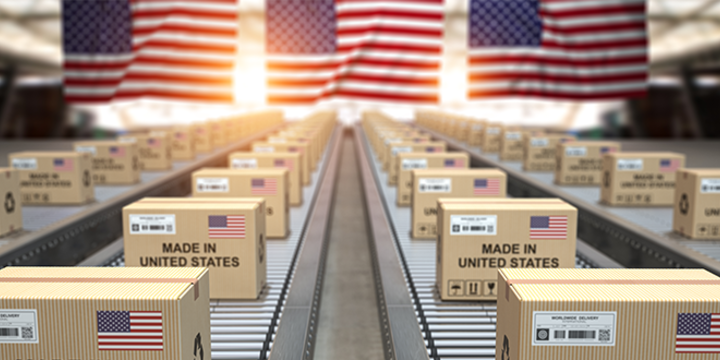
The national Supplier Scouting service can assist in identifying domestic suppliers with the capabilities you need, in some cases allowing you to reshore production, resulting in a shorter supply chain and reduced uncertainty. Learn more about the Network’s reshoring efforts with the Reshoring and the Pandemic: Bringing Manufacturing Back to America infographic.
Process Improvement and Supplier Development
MEP Centers’ deep expertise in lean, process improvement and quality systems can be applied across tiers in your supply chain. Experts work with companies and their supply chains to:
- Reduce manufacturing critical path lead time, often employing methodologies such as systematically improving bottlenecks and lean inventory management systems
- Drive quality systems throughout the supply chain and assist with original equipment manufacturer/supplier certifications
- Share visibility and coordination on forecasting, demand and sales planning, operations planning and inventory management
MEP Center experts can also assist in developing supplier metrics or scorecards, which are critical to measuring performance, driving improvements, and determining which suppliers to reward with continuing or increased business.
Procurement and Supply Chain Management Strategy
MEP Centers and their partners have expertise in overall procurement and supply chain management strategy, helping companies manage: supplier segmentation (e.g., developing different strategies for the most important components vs non-critical maintenance, repair and operations items); supplier evaluation and selection; total cost of ownership (TCO); and establishing strategic supplier relationships.
Training on how to incorporate total cost of ownership into procurement and supply chain management is also available. This approach will give you a more complete perspective on the cost of purchased material. When you calculate TCO, you consider the additional costs beyond purchase price – particularly the expenses associated with sourcing from overseas suppliers, such as freight, tariffs, longer lead times, higher inventory costs, and the overhead expense of managing distant suppliers. It also considers the risks of lost sales, poor customer experience, and other external and internal business considerations. It is a more integrated view of the true cost of acquiring, owning, and using purchased components and materials.
We had been searching for reliable, high quality vendors for machined and formed components for the products that we build. FloridaMakes offered services that included making connections to qualified local vendors to fulfill our needs. The services provided are a win-win for Northwest Florida businesses in that it helps our company and our vendors build revenue and create jobs.
— Mike Petkauskos, Director of Engineering, Honeycomb Aircraft Repair, LLC
Read the Success Story
Blogs

Manufacturing Reports
In partnership with the U.S. Small Business Administration (SBA) and National Institute of Standards and Technology (NIST) Manufacturing Extension Partnership (MEP), the Make Onshoring Great Again Handbook has been developed to equip small to medium-sized manufacturers (SMMs) and Original Equipment Manufacturers (OEMs) and provide guidance on bringing supply chains back home, gaining access to capital, and restoring American jobs.

The reshoring movement is being driven by an increased emphasis on supply chain resiliency. Bringing manufacturing closer to home reduces risks and improves responsiveness. Reshoring solves problems, lowers costs, and creates jobs. Conceptually, it makes sense. Yet the thought of reshoring some or all of the supply chain can be intimidating for a small or medium-sized manufacturer (SMM) lacking supply chain expertise. However, expert guidance is available through the MEP National Network.
For more information or assistance with your supply chain, please contact an MEP Center.
If you would like someone to contact you about supply chain, please complete the form below.
Contacts
For General Information
-
MEP Headquarters(301) 975-5020100 Bureau Drive, M/S 4800
Gaithersburg, MD 20899-4800