

Official websites use .gov
A .gov website belongs to an official government organization in the United States.

Secure .gov websites use HTTPS
A lock (
) or https:// means you’ve safely connected to the .gov website. Share sensitive information only on official, secure websites.



Materials
Plastics, carbon nanotubes, high-strength alloys, artificial bone and joint replacements are just some of the emerging materials for which NIST develops testbeds, defines benchmarks, and develops formability measurements and models.
The Research


Additional Resources Links

Materials by Design
Every “thing” is made of materials — roads, engines and medical devices, to name just a few examples. For centuries, inventing and developing new materials for industrial applications took long amounts of time and tremendous amounts of trial and error. Speeding up that process could save time and money and spur a great deal of innovation across many sectors of the economy. Read about how NIST's Materials Genome Initiative plans to do just that.
News and Updates

How the JFK Assassination Bullets Were Digitally Preserved at NIST

NIST Team Uses Neutron Beams to Authenticate Historic Coins and Spot Fakes

NIST Study Aims to Improve Utility of the Scanning Electron Microscope

Rare Crystal Shape Found to Increase the Strength of 3D-Printed Metal
Blog Posts

Shedding Light: How NIST’s Light Database Helps Bring You Computer Chips, Welded Steel and More

Curiosity to Career: Encouraging Students to Pursue STEM Education
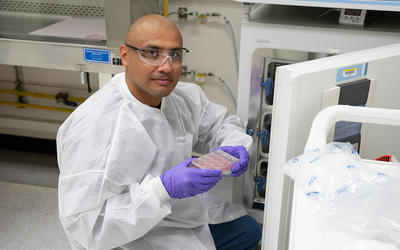
Sinking Our Teeth Into Science: How Biomedical Engineering Can Help Make Us Healthier
Stay in Touch
Sign up for our newsletter to stay up to date with the latest research, trends, and news for Materials.


